

Our Tools: Teaching Languages Through Human Connection | Spanish Teacher
A personal reflection on language teaching, human connection, and the value of the learning process beyond digital tools.
LANGUAGE TEACHINGLEARN SPANISHSPANISH FOR FOREIGNERSLEARN LANGUAGESTEACHING REFLECTIONSCULTURAL EXPERIENCES
Natalia Daza
1/27/20261 min read
Teaching languages through what is human and essential
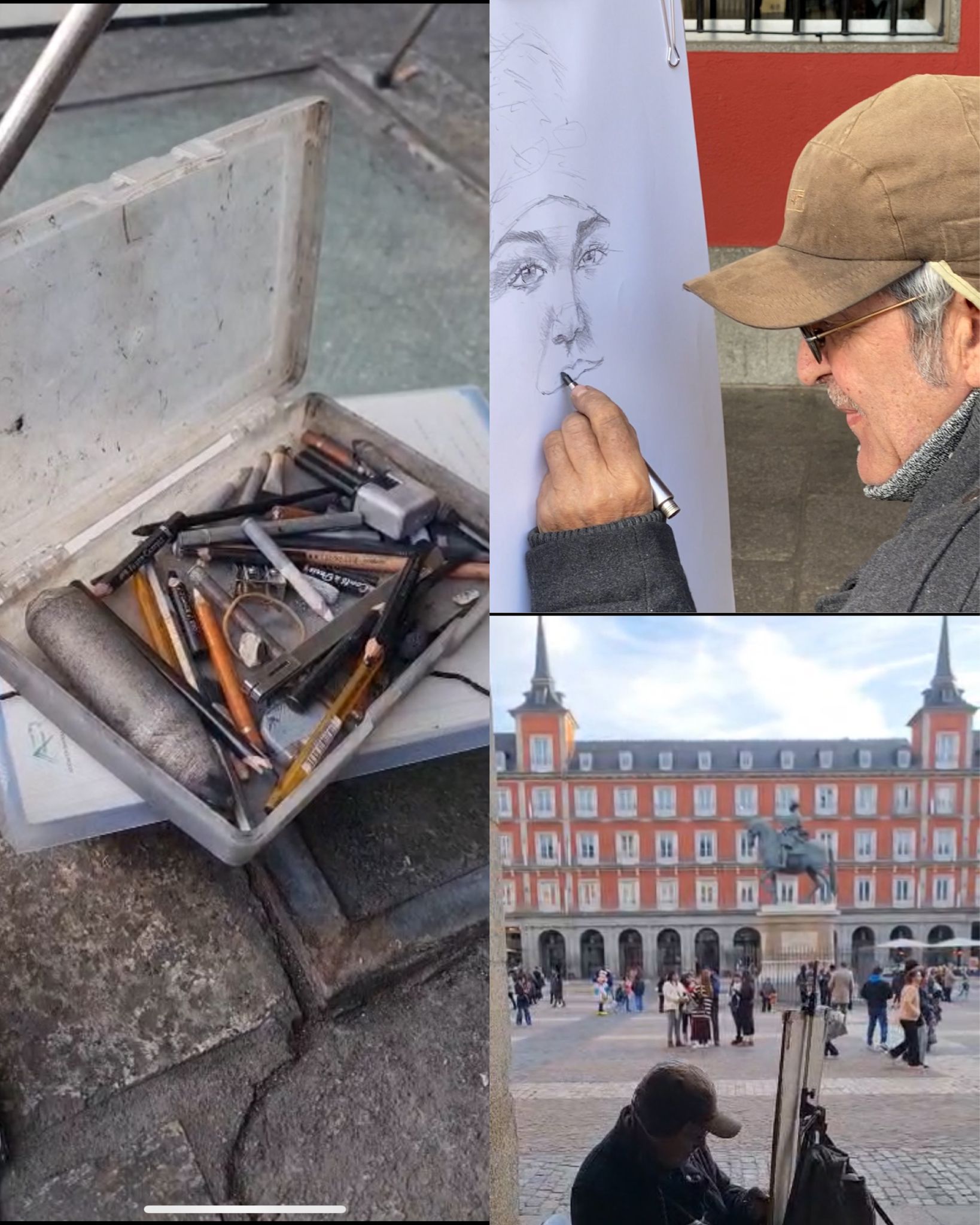
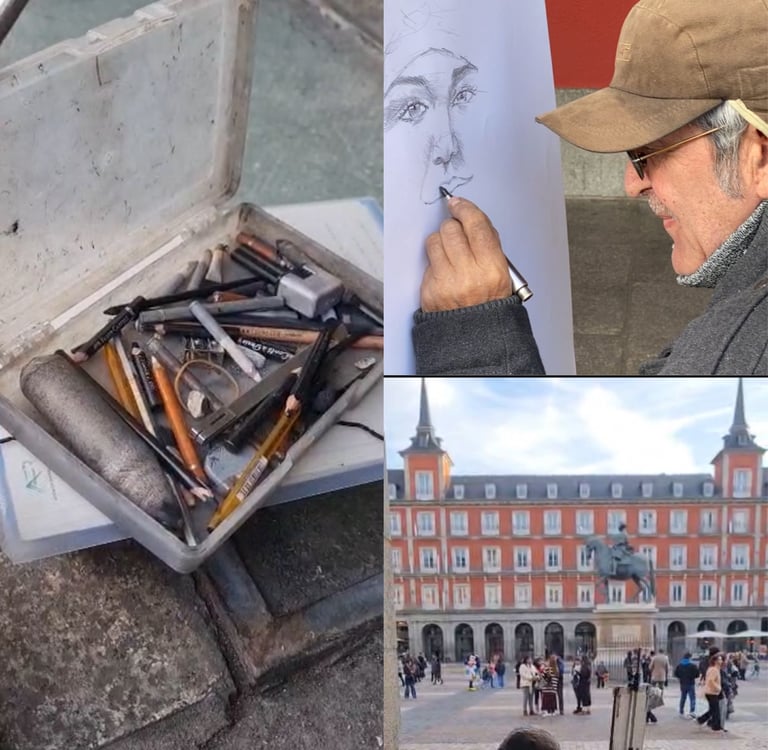
A few days ago, while walking through Madrid’s Plaza Mayor, a friend decided to get a portrait drawn. That’s where we met an artist named Miguel Ángel.
As he worked, we started talking. He shared his experience as an artist and a bit of his life story. What caught my attention most, however, were his tools. They were simple, almost minimal, yet capable of creating something truly meaningful.
He was the creator.
The tools were only what he needed to bring his art to life.
The tools of a language teacher
That moment led me to reflect on my own tools as a Spanish teacher for foreigners.
My native language,
my life experience,
my culture,
my personality,
and my professional training.
With all of these, I build each class and support my students throughout their Spanish learning journey. Like art, my way of teaching is unique because it comes from who I am and how I connect with each learner.
Teaching languages in the digital age
Today, there are countless digital tools available for learning a language. Apps, platforms, artificial intelligence, and online resources are now part of modern language education.
It’s natural that this creates uncertainty about the role of the language teacher. Yet this experience reminded me of something essential: there will always be learners who choose digital tools, and others who seek a more human learning process—one guided by a teacher, built with time, patience, and personal support.
The value of the human process in language learning
It’s not about who does it better.
The student will choose the path that works best for them.
I truly believe that when we teach with patience, care, our own tools, and even our imperfections, we may not create many “masterpieces” in a single day—but the ones we do create will be meaningful to those who receive them.
Because in language teaching, just like in art, what truly matters is not quantity, but the value of the process and the human connection created along the way.
Contact US AT
info@holanatalia.com
+34-637036433
© 2025. All rights reserved.